The Benefits of Dandelions
Dr. Patrick Jones
7/23/20265 min read
You can watch the video here👇
https://youtu.be/Sxzqg_BclSE?si=kr3XO0XZJUz0jSNB
Hey folks, I want to introduce you to an amazing plant with centuries of medicinal use.
It’s an exotic European species that was brought to North America by the pilgrims on the Mayflower because they valued its medicinal properties and didn’t want to be without it.
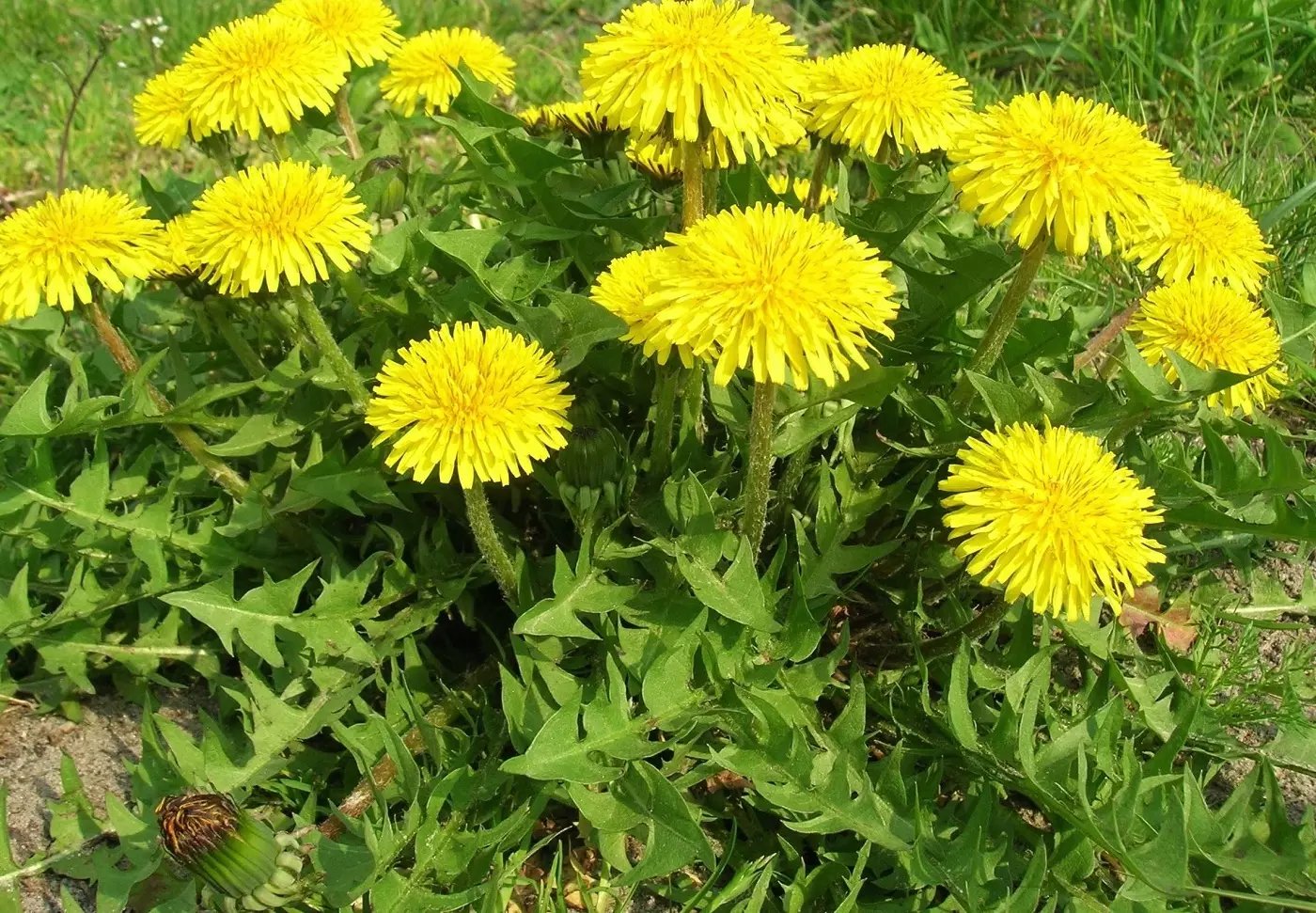
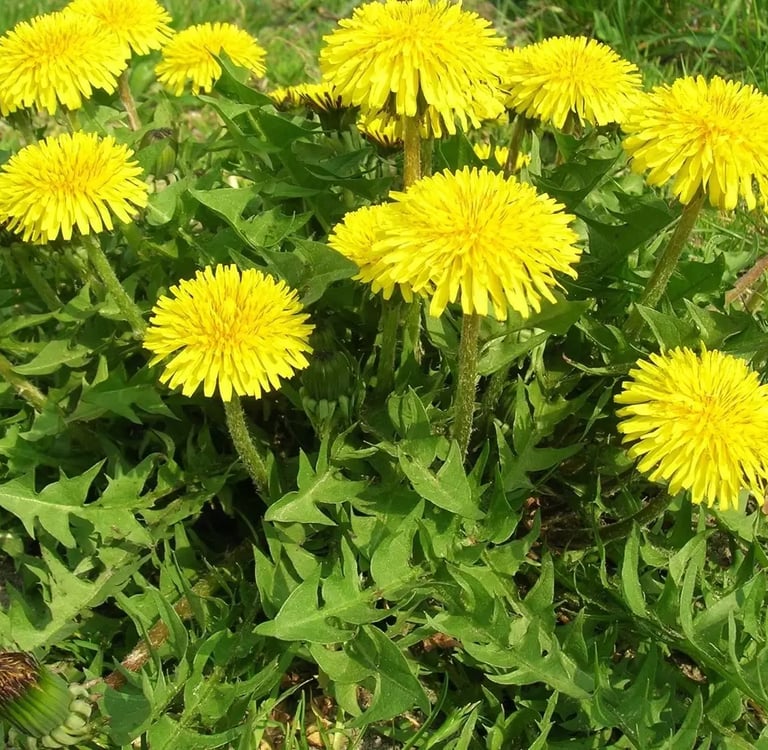
I don’t know if you’ve ever seen it before, but it’s called Dandelion.
It grows only in very specific habitats that have one critical requirement…dirt. In other words, it’s everywhere.
Most people think of dandelion as a weed. Herbalists know better. Dandelion is one of the most useful medicinal plants growing right under our feet. Both the leaf and the root have a lot to offer.
Generally speaking, the leaf tends to favor the kidneys and the pancreas. The root tends to favor the liver. Both parts do a little of both, but that’s where they really shine.
Dandelion Leaf and the Kidneys
Dandelion leaf is a wonderful kidney herb.
One of its best known actions is that it’s a diuretic. That means it increases urination. If you’re retaining water, dealing with edema, or carrying excess fluid, encouraging the kidneys to let some of that water go can be very helpful.
If someone has pulmonary congestion and fluid is beginning to accumulate in the lungs, helping move that fluid out through the kidneys can provide valuable support.
Dandelion leaf is also one of my favorite herbs for urinary tract health.
When you have a bladder infection, increasing urination helps flush bacteria out of the urinary tract. That’s useful all by itself, but dandelion also has some antimicrobial properties that can be particularly helpful against organisms commonly associated with bladder infections, like E. coli and certain strains of Staph.
On top of that, dandelion leaf is highly nutritious. It’s a kidney tonic that helps support healthy kidney function while providing valuable nutrients.
So any time we’re talking about the urinary tract, dandelion leaf deserves a place in the conversation.
The Pancreas Likes It Too
Before we dig up the root, let’s stay above ground for a minute.
Dandelion leaf also has a strong affinity for the pancreas.
It supports pancreatic healing, improves insulin sensitivity, and assists healthy insulin production. That’s important for anyone concerned about blood sugar regulation or pancreatic health.
I used it quite a bit over the years in pancreatitis cases.
If you’ve ever had pancreatitis, you’re more likely to have it again. The same is true for dogs and cats.
Dogs most often get pancreatitis around Thanksgiving and Christmas. A bowl full of turkey drippings, ham scraps, or whatever delicious fatty leftovers they managed to steal off the counter often leads to trouble. Dandelion leaf helps protect pancreatic tissue and supports recovery after the damage has occurred. It’s my first grab in a pancreatitis case to minimize the damage that’s going on.
Let’s Talk About the Root
Now we can dig into the dirt.
Dandelion root is one of the best prebiotics around. It feeds beneficial gut bacteria and helps support a healthy microbiome.
That’s reason enough to use it.
But the root is probably best known for what it does for the liver.
Dandelion root helps increase bile production and improve bile flow.
Why does that matter?
Because bile does several very important jobs.
First, it helps digest fats. Bile emulsifies fats and breaks them into tiny droplets so digestive enzymes can get at them more effectively.
Second, bile helps keep things moving through the digestive tract. It’s slippery, and coats the gut, making it very helpful when constipation is part of the problem.
Third, bile is one of the primary ways the liver detoxifies the body. The liver removes toxins from the blood, packages them into bile, and sends them into the digestive tract so they can leave the body.
The kidneys do something similar using urine as the transport vehicle for removing toxins from the body.
Dandelion supports both systems. It helps the kidneys do their detoxification work and it helps the liver do hers.
That’s a pretty useful plant.
Dandelion and Jaundice
Over the years I’ve used dandelion root in some fairly serious jaundice cases.
Jaundice often involves impaired liver function or impaired bile flow, so it makes sense that an herb which supports bile production would be useful.
I’ve seen it provide meaningful support in those situations, especially when used as part of a broader protocol.
What About Breast Cancer?
There is also some interesting research looking at dandelion and breast cancer cells.
Now, the research is still early. Nobody should be making dramatic claims based on preliminary studies.
But the results are interesting enough to get my attention.
And honestly, even if the research never goes any further, dandelion is still worth eating.
It’s nutritious. It’s a prebiotic. It’s good for digestion. It’s good for the kidneys. It’s good for the liver.
If someone has a family history of breast cancer, I certainly wouldn’t object to them eating plenty of dandelions. Maybe they’ll help. They certainly aren’t likely to hurt.
Dandelion Latex and Warts
Here’s another fun use.
If you break a dandelion leaf, you’ll notice a white milky sap coming out. That’s latex. That latex can be applied directly to warts.
Years ago, a mother brought her young son into my naturopathic practice. The poor kid was absolutely covered with warts.
Warts are caused by papillomaviruses. Usually they’re self limiting, but this little guy had a lot of them.
I put him on an immune support program, but I also asked him a question.
“Do you have dandelions in your yard?“
He looked at me like I was asking whether he had oxygen.
“Yeah.“
“Good. Every time you walk past one, break a leaf and put that white sap on your warts.“
He took his assignment seriously.
A month or so later he came back and the warts were cleared up.
Between the immune support and his diligent anti-wart, dandelion duties, he got the problem under control.
You Can Make Rubber Out of It Too
Here’s something most people don’t know.
That same latex can be used to make rubber.
During World War II, Germany faced severe shortages of imported rubber. As a result, dandelions were cultivated as a source of latex for rubber production.
Unfortunately, that effort relied heavily on concentration camp prisoners who were forced to work under horrific conditions. It’s a tragic chapter in the history of an otherwise cheerful little plant.
Today, researchers and manufacturers are still exploring dandelion latex as a renewable source of rubber. In fact, I recently read about a company in Spain using dandelions to manufacture bicycle tires and other products. Not bad for a weed.
Maybe Stop Spraying It
The next time you see a dandelion in your yard, maybe don’t reach for the herbicide quite so quickly.
This little plant supports the kidneys, the pancreas, the liver, digestion, the microbiome, and even has a useful topical application for warts.
That’s a pretty impressive list of accomplishments for something most people spend money trying to kill.
If you’ve had good experiences with dandelion, I’d love to hear about them. Leave a comment and tell me your story. I read every comment, even if I don’t always have time to respond to every one.
And if you’d like to learn a lot more about dandelion, along with hundreds of other medicinal plants, we cover it in great detail inside the HomeGrown Herbalist School of Botanical Medicine.
Doc Jones
Contact
Stay Informed
Robin@renewedlife7.com
539-664-3951
© 2024. All rights reserved.
© 2026 BY RENEWED LIFE7. All Rights Reserved.
Disclaimer
Always check with your doctor before starting any new health practice. This is not medical advice. This is not meant to treat, cure, prevent or diagnose. This is for educational purposes only. Results vary.